Tag: kittle homes

  • New Home Construction Is Up, But Projects Are Stalling At a Higher Rate

    New Home Construction Is Up, But Projects Are Stalling At a Higher Rate

    According to a Dodge Building outlook webinar, total construction starts in the United States’ Northeast region increased by 20% in 2021, outpacing national growth. However, in the first half of 2022, activity has subsided

    North-eastern states will have to endure to deal with a wide range of obstacles that will persist in 2022 – rampant inflation, supply chain difficulties, COVID-19 variants, and the somewhat fragile consumer and investor attitude, said senior economist at Dodge, Sarah Martin. As a result, growth in the Northeast could be slower than expected, especially as the chance of recession rises.

    Construction starts in the non-residential category in the Northeast area, which includes Connecticut, Massachusetts, Maine, New Jersey, New Hampshire, New York, Rhode Island, Vermont, and Pennsylvania, were dominated by education and healthcare. This reflects construction patterns in other parts of the United States, such as the West, where education begins as well.

    Education

    According to Dodge, educational starts in the northeast region would total $14.9 billion in 2022, up 19% from the previous year. The education segment also includes research labs in addition to campus projects. Pharmaceutical laboratories, on the other hand, are classified as manufacturing, which is another fast-growing industry in the region.

    Martin remarked that education is the most important sector in the Northeast. Education starts are likely to increase this year as more students return to classes in both K-12 and colleges and institutions, according to the report.

    The $388 million Rutgers University Cancer Institute as well as the $250 million Lincoln Street lab office plus parking structure in Boston, for example, are some big education projects.

    Healthcare

    Healthcare building is another fast-growing industry in the region. Beginnings in this industry are expected to hit $6.25 billion in 2022, up 50% from 2021. Inpatient hospitals, clinics, and nursing homes fall into this group.

    According to Richard Branch, chief economist at Dodge, increased possibilities in inpatient hospital building are expected. There has been a significant lack of investment in the inpatient end of the industry in the United States, Branch explained. This will undoubtedly enable this market to expand. He anticipates that inpatient care will outgrow outpatient care.

    As people flee high-cost cities in the Northeast, Martin believes that more rural places, such as New Hampshire, Vermont, and Maine, will see an increase in healthcare start-ups. These states have had some of the highest percentages of in-migration since the epidemic began.

    Manufacturing

    Manufacturing starts in the Northeast are expected to reach $2.99 billion in 2022, up 47% year over year, according to Dodge. Still, that’s only a small part of the overall infrastructural development in the West, where Dodge predicts that spending will peak at $14.39 billion in 2022.

    Impact of Inflation

    Those increases are significant if taken at face value. According to Martin, inflation, on the other hand, is improving growth figures. For instance, corrected for inflation, predicted education starts in 2022 will fall from 19% to 7%. When inflation is included, nonbuilding starts in 2022, such as motorways, bridges, power plants, and gas plants, go from an 8% expansion to a 3% contraction.

    According to Dodge, office starts in the Northeast region are expected to drop to $8.35 billion in 2022, a 17% decrease from 2021. Beginnings in the hospitality industry are expected to fall to $1 billion in 2021, down 4% from 2021.

    Leaders and laggards in the Northeast

    New York dominated the Northeast region in overall building starts in 2021, with $41.27 billion, up 18% from 2020. Despite the increase, starts remained below the $50.71 billion pre-pandemic average of 2019. And by April, construction had slowed. Non-residential construction activity in New York, Northern New Jersey, and Long Island fell by 4% in the first 4 months of 2022.

    Pennsylvania came in second in the Northeast area, with $22.2 billion in total building starts in 2021, up 32% from 2020 and higher than the previous year’s totals. However, non-residential infrastructure in Pennsylvania fell by 12% in the first 4 months of 2022. According to Dodge, Connecticut had the only negative construction start increase in the Northeast area in 2021, decreasing 6% from 2020. Non-residential development in the state fell 27% in the first 4 months of 2022, following a regional pattern.

    Expectations for GDP growth in 2022

    Connecticut and Rhode Island’s GDP are expected to expand 3.8% in 2022, below just Massachusetts’ predicted 4.1% in the Northeast area, according to Dodge. As per Dodge, growth in New York and Pennsylvania is expected to be 3.2% and 3%, respectively. This is lower than the national GDP prediction of 3.5%.

    Further to the prospects that one is expecting in construction in the US, there are a certain factors that must be considered with all dimensions and geographies put together.

    The expansion of commercial building is happening in the US in spite of worries about supply chains, the situation in Ukraine, and inflationary pressures.

    Growth in the industry will be fuelled by customers who are looking to create more robust supply chains through projects in the Western United States such as chip manufacturers.

    The amount of enthusiasm in the Midwest US is not quite on par with that found in other locations, but the region is home to some very remarkable performers who are capable of amazing things.

    Although there appears to be a slowdown in the construction arena in Texas and Florida, the warehousing business is showing signs of decent growth.

  • Here’s What the Housing Market May Look Like in 2030

    Here’s What the Housing Market May Look Like in 2030

    The housing market has made headline news over the past two years, with countless buyers being priced out of the market. Not only have home prices exploded by as much as 50% in some areas, interest rates have more than doubled off their 2020 lows. This has made housing unaffordable for countless buyers, as the combination of rising prices and interest rates have made the average house payment jump by more than 30%.

    This may not seem to be the right time to be looking ahead to where the housing market will be in 10 years, but the truth is that people will always need a place to live. Knowledge is power when it comes to making financial decisions, so here’s a look at what some experts say the housing market will look like in eight years.

    Prices Will Be Much Higher

    It’s almost a given that in spite of current high prices, houses will cost even more 10 years down the line. According to RenoFi, the cost of a single-family home in the U.S. is likely to hit $382,000 by 2030.

    In the near term, even though price growth seems to be slowing, the fact remains that America still faces a shortage of available homes. While rising mortgage rates will likely reduce price growth in the near term, the scales are still tilted toward demand over supply. This imbalance is likely to last at least another year, and possibly two or three, until the combination of rising new builds, higher interest rates and slower investor interest remove some of the demand for homes.

    Especially in California

    Quoting the “average” price of a home in the United States doesn’t always provide buyers with information that is relevant. Real estate pricing is always highly regional, and it really does come down to “location, location, location.” If you live in California, the so-called “average” home hasn’t seen $382,000 in decades.

    RenoFi projects that by 2030, for example, San Francisco will have the highest average home value in the country, at a whopping $2,612,484. Two other California cities, San Jose and Oakland, expect to price out at $2,251,703 and $1,713,554, respectively.

    Save as Much as You Can

    Regardless of how high prices seem like they will be down the line, the advice for those looking to buy remains the same as it always has: Save as much as you can. The biggest burden for most homebuyers is not so much the monthly mortgage payment but coming up with enough money for a down payment.

    If the average home price across America will be $382,000 by 2030, potential homebuyers should be trying to save up a 20% down payment of $76,400 over the next eight years. On a straight scale, not factoring in inflation or any investment gains, that means you’ll need to save $795.83 per month. Of course, if you live in a high-cost area you’ll have to save more, but this is a good guideline as to the amount of savings you’ll need for the average home.

    Invest Your Savings

    To make your journey toward reaching your down payment target easier, the best thing to do with your savings is to invest them. If you could achieve a modest 4% annual return on your money over the next eight years, you’d only need to save about $675 per month, as opposed to $795.83. And if you could earn a 5% return on your investment, your monthly required savings would drop to about $650.

    Price Gains and Inflation

    Although these price gains may seem astronomical, over a period of eight years, they are more or less expected to keep pace with inflation. When viewed in that light, those price gains are not only normal but relatively modest. This is why investing your savings for a future home purchase can actually give you a substantial leg up.

    With prudent investing, your savings could easily outpace the gains in inflation. This means that even though prices are going up while you’re waiting, you’re actually reducing the effective cost of your purchase by increasing the value of your investments.

    Is There Still Time To Buy?

    If you’re trying to flip a house or looking to move somewhere else within the next two years, you might want to hold off on buying a home for the time being. But if you’re either a long-term investor or plan to reside in one location for 10 years or more, you’re likely still in the clear if you’re looking to buy.

    Although prices currently seem high, experts project they will be even higher eight years down the road. While mortgage rates have ticked up rapidly in 2022, they are still trending below long-term averages — and if they fall over the coming years, you’ll have the option to refinance at a lower rate.

  • What’s the Deal with Lumber Prices?

    What’s the Deal with Lumber Prices?

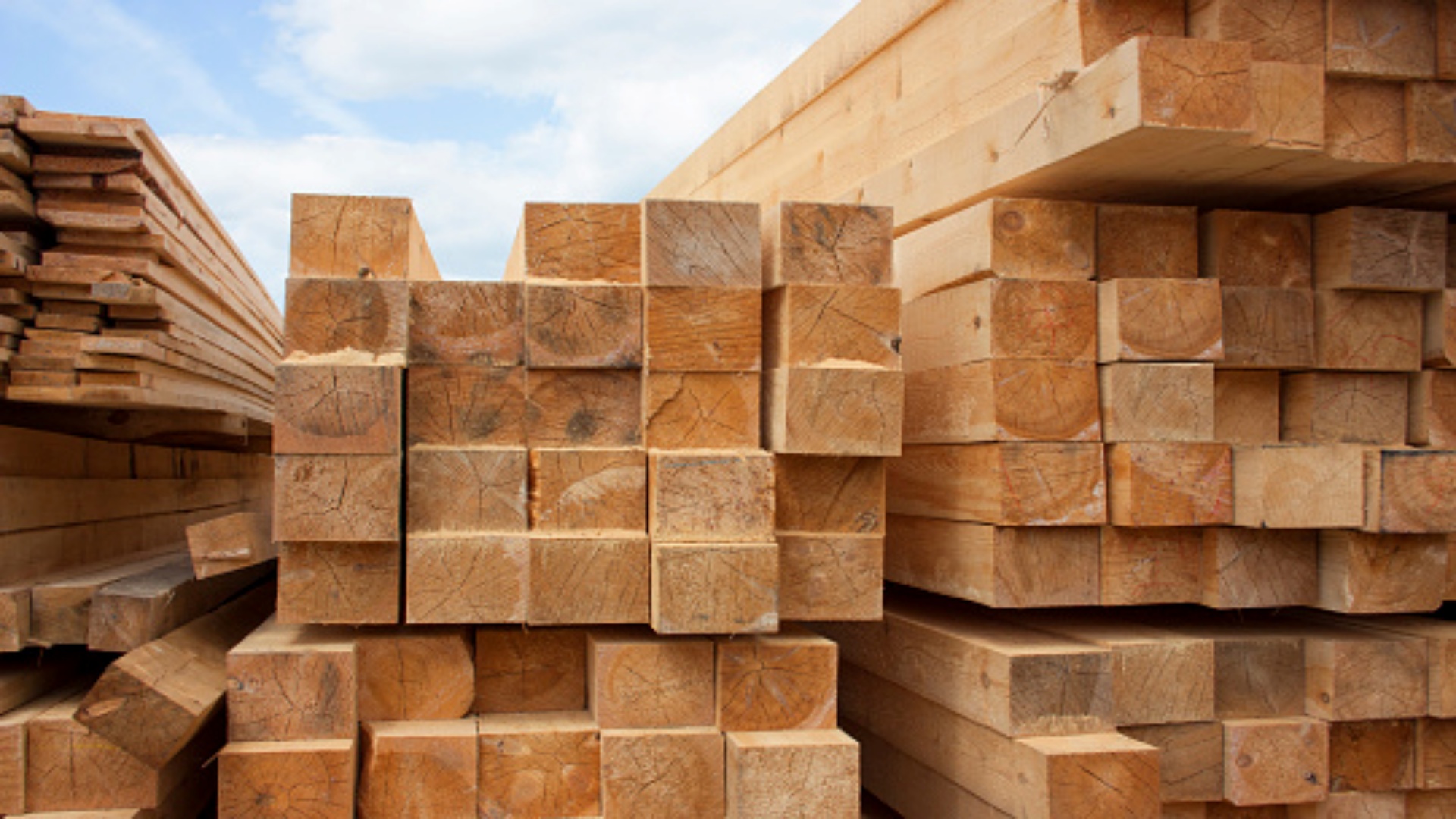
    Over the past few years, lumber prices have skyrocketed. According to the National Association of Home Builders, prices went up by 30% between Hurricane Harvey in August 2017 and January 2018. At the time, this price was higher than any prices on record since NAHB started keeping such records in 1995. March of 2018 saw lumber futures climb even higher, over $520 per 1,000 board feet, up from January’s numbers, which climbed between $420 and $460 per 1,000 board feet.

    These days? Although the reasons for it have changed, lumber prices are still soaring higher and higher. Today, these higher prices are in large part due to the pandemic creating chaos throughout markets. New numbers from the National Association of Home Builders shows that since mid-April of 2020, lumber prices have risen by 130%, and those increased costs have increased the cost of single-family homes more than $16,000 on average.

    With these thoughts in mind, here are some of the causes of these rising costs—and a quick look into the future concerning both lumber prices and how these prices will affect housing costs.

    Why are Lumber Prices High?

    There are a variety of factors coming together all at once to affect lumber prices. Over the past few years, demand has increased dramatically while supply has tightened. For starters, growth of gross domestic product in all major economic regions of the world is fueling something of a world-wide construction boom. In the U.S. alone, single family home construction increased 7% between January 2017 and January 2018.

    With the pandemic, the amount of lumber being used in construction continues to rise. Surprisingly, housing starts are up, showing an increase of about 17% between May and July. With that, other areas are placing demand on the lumber industry. More DIYers are doing projects like decks so that they have a place to get outside during these troubled times, and restaurants across the U.S. are using more and more lumber to build outdoor seating and dining areas.

    Meanwhile, the lumber industry has faced struggles of its own with shutdowns and a decreased demand for timber in other areas, like paper manufacturing and home goods, where downturns have been steep. All of this is combined with the fact that several years ago, the U.S. raised import duties on Canadian lumber, which has been causing a supply shortage in the U.S. as Canada exports less lumber southward.

    Pandemic aside, there are also the rising costs of everything going into lumber production—labor, transportation, containers and so on, all costing more across the board, which drives up the cost of lumber regardless of supply or demand. The cost of a flatbed truck to haul lumber, for instance, went up 24% between January 2017 and January 2018.

    Where are Lumber Prices Right Now?

    In some cases, lumber prices have doubled and tripled over the past year. OSB board prices, for example, were three times higher in September 2020 compared to September 2019. Other prices have gone way up, too. Western SPF 2x4s, for example, have gone up 158% over the past year, studs have risen 164%, and southern pine has gone up 147%.

    Will Lumber Prices Stay High?

    Back in 2018, experts were saying that with the current chaos in the lumber markets, prices were expected to be high through 2020. After that, costs were expected to come down.

    Now that COVID-19 is here to stay, however, things have become much more unpredictable. In order for prices to come down, several things need to happen. In the U.S., lumber production will need to increase to cover the lost supply from Canada or Canadian import duties will need to come down so that Canada can export more lumber to the United States. Shutdowns within the lumber industry will need to come to an end, and timber producers will need to increase the amount they’re producing in order to bring costs down.

    Once these things start to happen, lumber prices should fall—but when that may happen depends on when life will return to “normal,” and no one knows when that might happen or how quickly lumber prices may fall when it does happen.

    How Does This Affect Housing Costs?

    If you’re a builder, the rising lumber costs aren’t necessarily bad news. Of course, the higher price means that not only are housing costs going up, but mortgage costs are rising as well. The cost of single-family homes has risen by $16,000 on average—but the good news is that buyers are very willing to pay that higher price.

    Back in January 2017 and January 2018, housing starts were up all over the country—7% among single family homes. Between May and July of 2020, housing starts went up by an incredible 17% across the country. This number is down about 4% over 2019 numbers, but it still reflects that buyer confidence is high.

    Part of the reason for housing remaining steady despite the pandemic is that mortgage rates are at all time lows. In July, average rates for 30-year fixed mortgages dipped beneath 3%, which is the first time rates have gone so low since Freddie Mac started to track this data in the 1970s.

    Lumber prices are up, astronomically so compared to prices over the last two decades, but they are expected to come down as the pandemic eases. Meanwhile, a high demand for new construction, particularly single-family homes, means that builders in the United States should quite easily be able to weather the volatile lumber market for the foreseeable future.

    (Source: Michael Flood, New England Building Supply)

  • Downtown Woodstock, the Perfect Place for Fun!

    Downtown Woodstock, the Perfect Place for Fun!

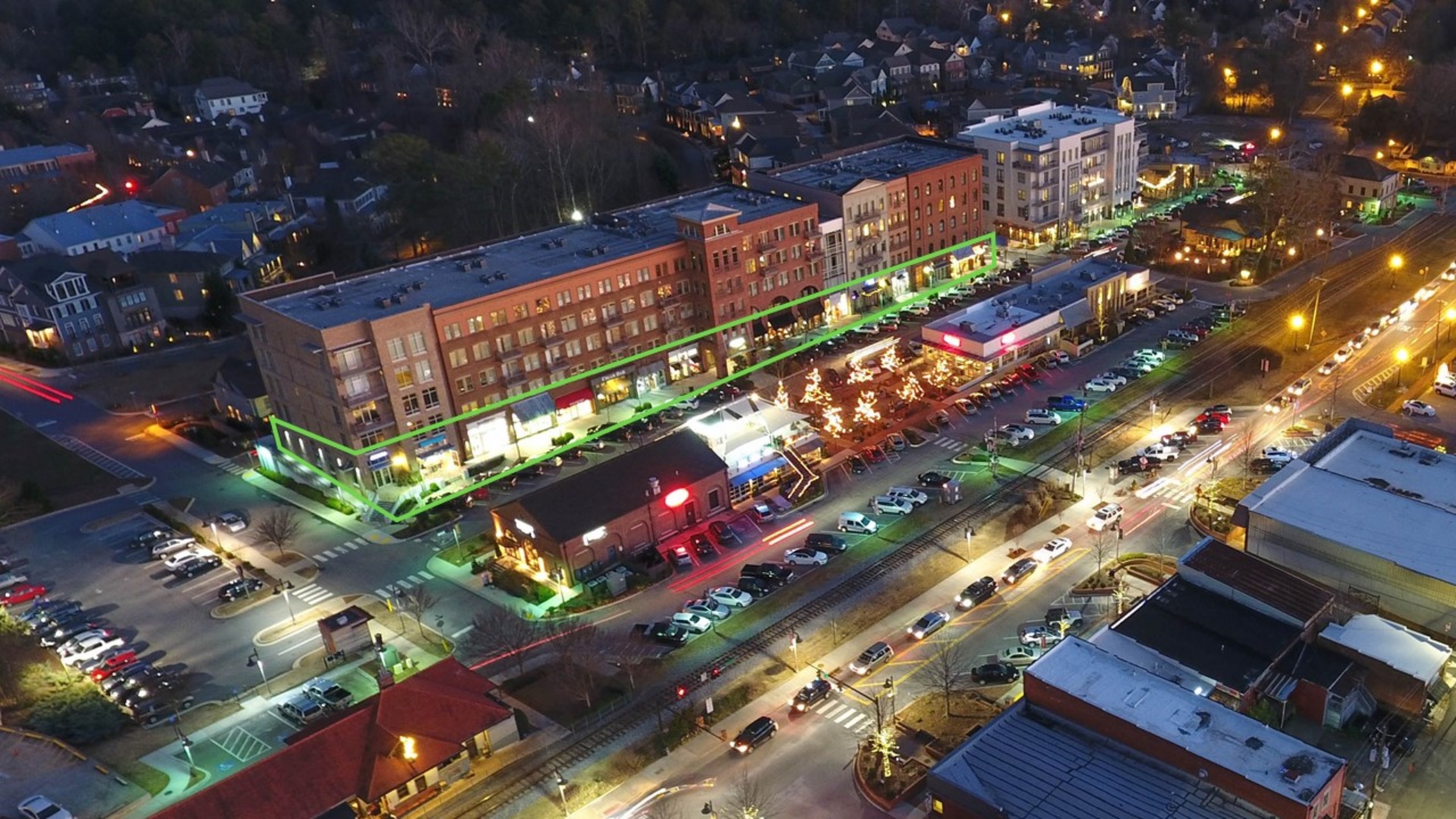
    Downtown Woodstock shopping and dining district features 20 chef-driven restaurants and 35 independent retailers. Elm Street Cultural Arts Village, Reformation Brewery and MadLife Stage & Studios all draw a lot of residents and visitors to this walkable city center.

    In the historic setting of Downtown Woodstock, explore unique locally-owned shops. Discover antiques, clothing and accessories in every style, an independent book store with frequent author events, Native American art, jewelry, home and garden decor, gifts, culinary goods, craft beer, wine and cocktails, wonderful spas and salons and more.

    Enjoying a drink while in Downtown Woodstock is easy since it’s an open container district. Participating restaurants can pour your favorite beverage in an approved open container to take with you as you explore downtown.

    To find out more about what Downtown Woodstock has to offer, click here:

    https://visitwoodstockga.com/locations/downtown-woodstock/

  • Woodstock Summer Concert Series!

    Woodstock Summer Concert Series!

    2022 marks the 24th season for Georgia’s best summer concert series in the Park at City Center. Since 1998, the City of Woodstock has hosted thousands of people in Downtown Woodstock by providing these free family friendly concerts.

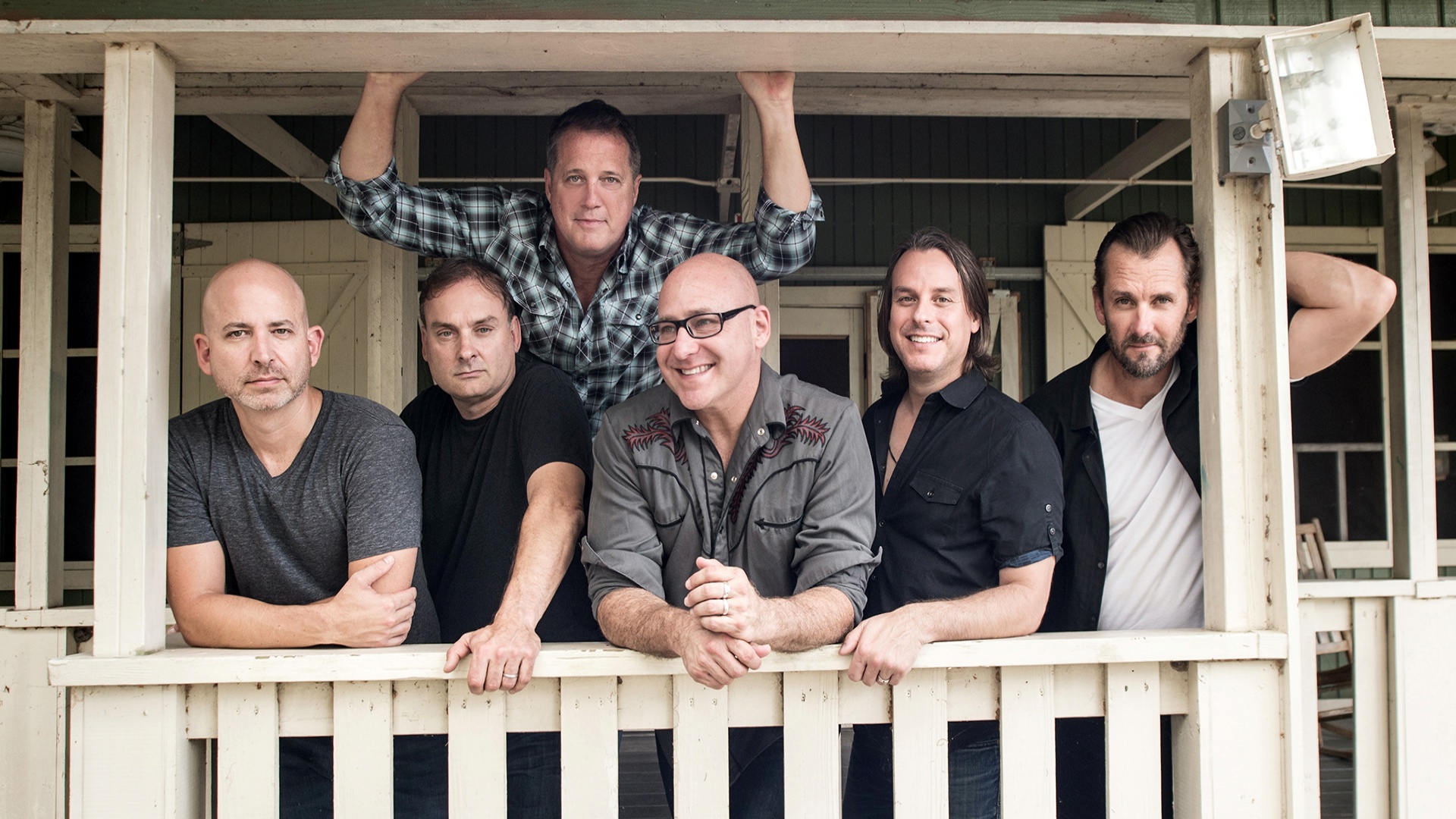
    This year, on June 11, Woodstock will be hosting Sister Hazel among other groups! We hope that you come join us in beautiful Downtown Woodstock this summer!

    All concerts begin at 7:30 PM. All concerts are free of charge, no tickets are required.

    For more information, click here. https://www.woodstockconcertseries.com/

  • Woodstock’s July 4th Spectacular!

    Woodstock’s July 4th Spectacular!

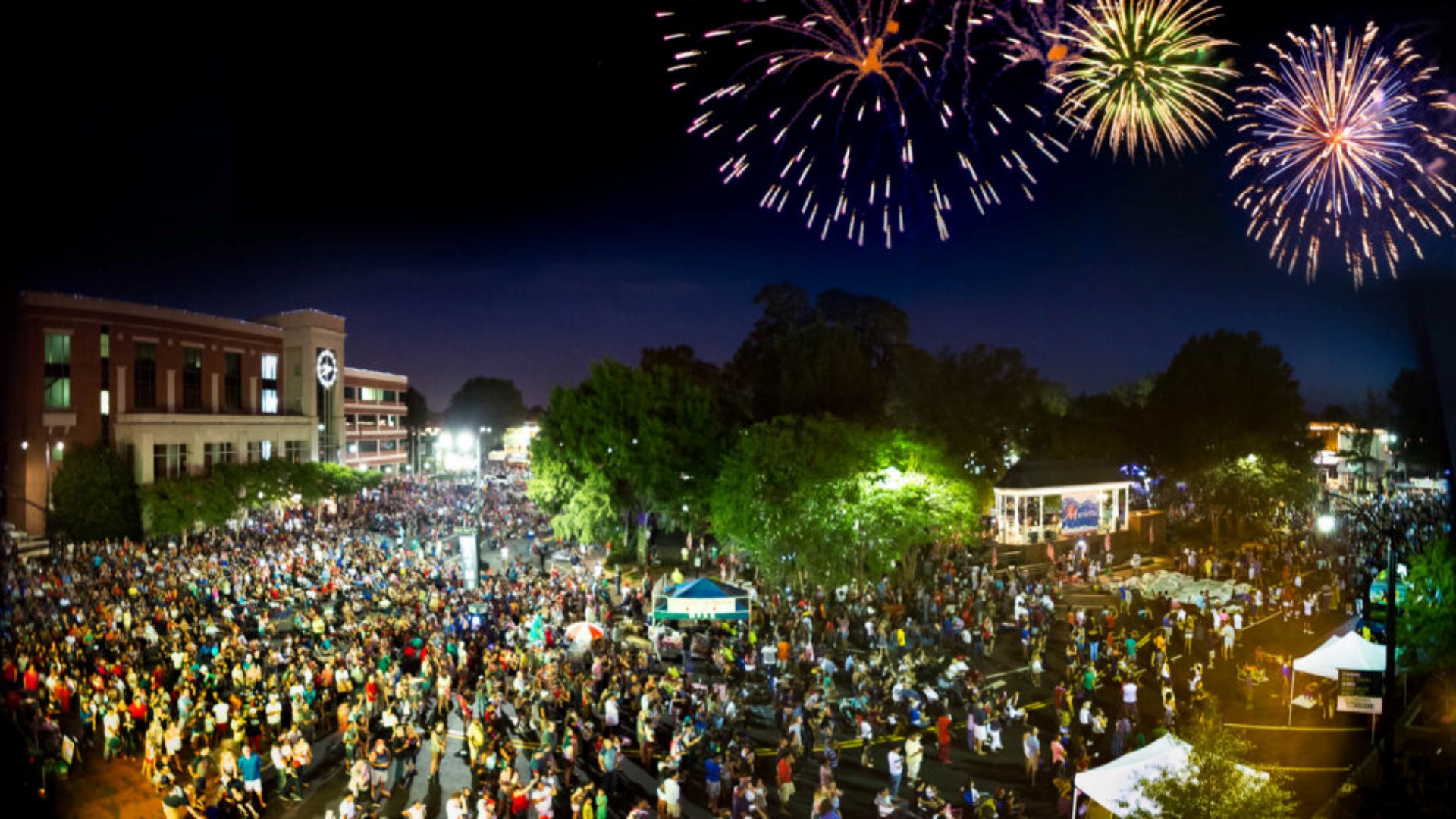
    Join the good people of Woodstock in celebrating our great nation’s independence at the July 4th Spectacular featuring multiple family-friendly events for people of all ages. Details below:

    Monday, July 4th Parade: Our festive parade kicks off the daylong celebration at 10:00 am. starting at Woodstock Elementary School on Rope Mill Rd. It then travels down Main St. to Sam’s Club at Hwy 92.

    Festival: After the parade, join us in The Park at City Center until 3:00 pm for food, DJ Ronnie, children’s games, inflatables, arts and crafts, and vendors of all types.

    Fireworks: The day concludes with fireworks at dusk behind the Lowes shopping center at Hwy 92 and I-575. See our website for traffic directions for the fireworks show.

    5K & 10K Race: 25th Annual Woodstock Freedom Run at 7:15 am. WoodstockFreedomRun.com

    Participation: Visit  www.WoodstockParksandRec.com under Special Events, Event Details, to fill out and submit your Parade & Vendor applications.


  • Introducing Woodstock, GA!

    Introducing Woodstock, GA!

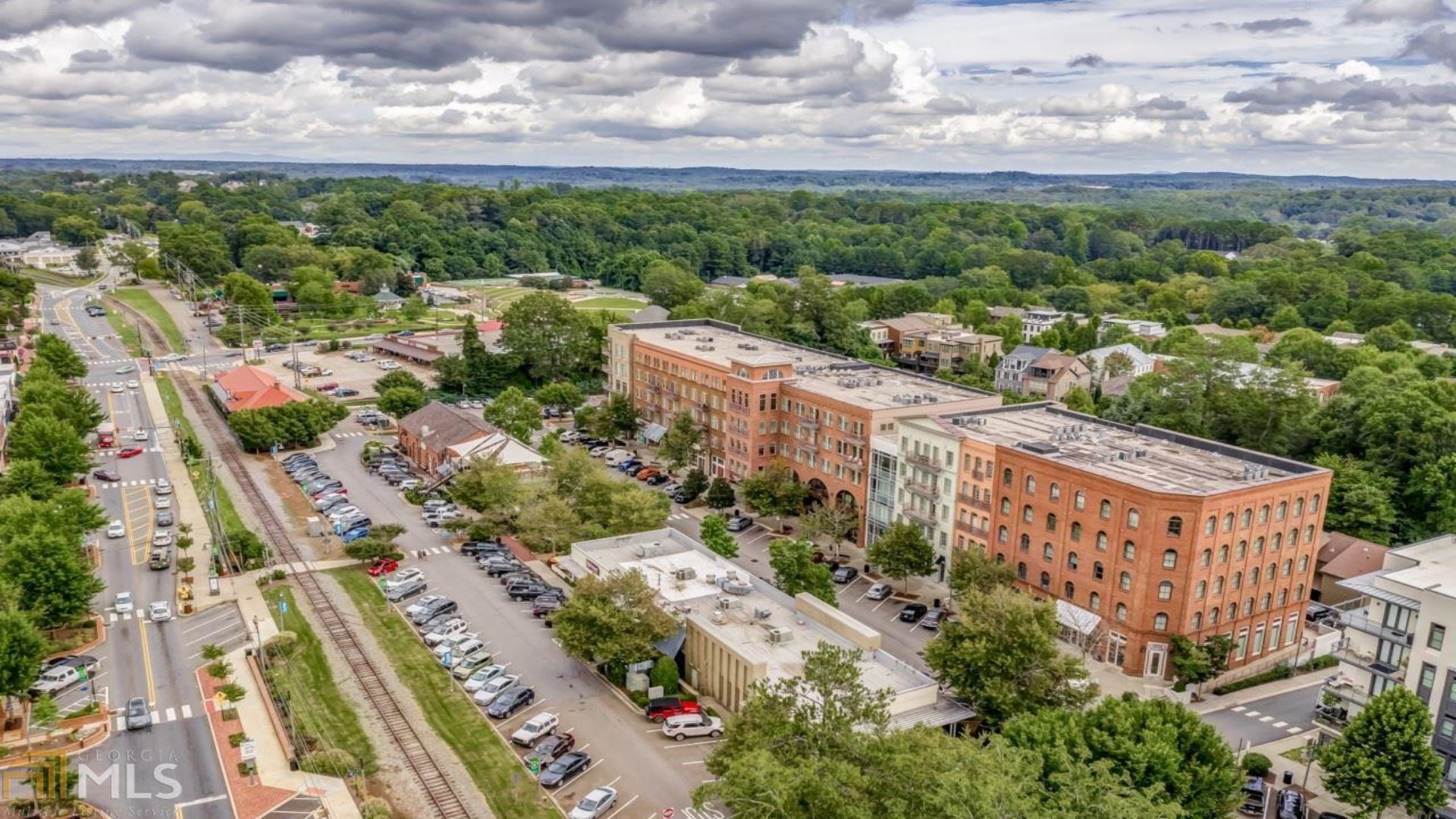
    Located just 30 miles north of Atlanta, Woodstock’s city limits include more than 12 square miles and over 30,000 residents.Our dynamic city is a Georgia PlanFirst Community and a recipient of Georgia Municipal Association’s Live, Work, Play City Award. Known for its vibrant downtown and world-class parks and trails, Woodstock is home to hundreds of thriving small businesses, regional shopping and tourism destinations

    Pioneers began to settle in Woodstock in the early 1830s, shortly before the time that the Native Americans were being removed from the area. Postal records show that Woodstock had a postmaster beginning in 1833, and other documents confirm the organization of churches in the area at the time. The first settlements were near waterways … Little River, Rose Creek, Rube’s Creek, and Noonday Creek… where pioneers farmed the land and were largely self-supporting. While there were nearby skirmishes, the area escaped major destruction during the Civil War. There was as yet no rail line to serve as a target.

    After the railroad and its depot became a reality in 1879, the little village came to life. The railroad was a lifeline, bringing industry and entrepreneurs, and allowing farmers to ship their cotton to mills far and wide. There would not have been a City of Woodstock had there been no rail line. Cityhood was inevitable, and on December 8, 1897, Georgia’s legislature granted a charter and Woodstock became an official city. The census of 1900 showed the population to be 276. Boundaries were set at ¾ mile north and south of the depot, and ½ mile east and west of the railroad tracks, making the depot the exact center of town, literally and figuratively. A new depot was built in 1912, a combination station offering both freight and passenger service. It was in operation until the 1950s.

    The town prospered and grew. All manner of businesses, from cotton brokers to bankers, blacksmiths, and barbers, lined the west side of Main Street, while cotton warehouses occupied space on the east side. North of town, on Little River, Woodstock’s first industry used the cotton to produce rope, and the remains of the Rope Mill can be seen today. All over town, beautiful homes began to take shape, complemented by a school and churches and in-town farms.

    Throughout the decades since, the town’s citizens have enjoyed the many positive aspects of small town life, while continuing to progress with the times. From the paving of Main Street in 1925 to the arrival of Interstate 575 in 1982, and from the notoriety of native son Lew Carpenter as the Southern League’s Atlanta Crackers’ 1940 Star Pitcher to the national spotlight as President George H. W. Bush kicked off his 1992 reelection campaign from a makeshift stage on Main Street’s sidewalk, Woodstock has made a name for itself. Two native sons, Dean Rusk and Eugene Booth, were Rhodes Scholars. One would become the nation’s Secretary of State, and the other would be a renowned physicist and a member of the Manhattan Project team who developed the atomic bomb.

    The town has been blessed with dedicated physicians throughout its history. Perhaps the one name that stands above others is that of William Hiram Dean. Having moved to the area around 1850, he soon began a medical practice while also serving as a Baptist minister. His only son, Will Dean, also became a doctor and was on Woodstock’s first city council. He opened Dean’s Drug Company on Main Street in 1906, but died soon afterwards. The store serves today as the Woodstock Visitors Center, preserving relics of days gone by. During the following years there were several other doctors in the area, but the name most often mentioned is that of Dr. T. J. VanSant who practiced until retiring in 1962. Dr. Evan Boddy then opened a medical center, and in 1969 the Cherokee Atomedic Hospital was added to the complex which would later include an apothecary and a nursing home. The circular hospital structure had been on display at the 1964 World’s Fair as the “Hospital of the Future,” featuring computers and microwaves, novel items at the time. The grand opening was held on July 20, 1969, the day Americans first landed on the moon.

    Although some visible Woodstock landmarks remain in place, many survive only in memory. Towne Lake Parkway was once Church Street, a narrow lane leading to “parking lots” for the churches where early worshippers tethered their horses and parked their buggies. While many original homes have succumbed to the wrecking ball, others now house businesses. A few treasured homes still serve as residences, some for descendants of the original owners. The oldest house in Woodstock, @ 1875, is the Dean House on East Main Street. The City celebrated its centennial in 1997 with parades and activities, including a Centennial Quilt, the development of the City Park, installation of plaques on historic structures, and the publication of a history book. That group is still involved with historic preservation and operates as Preservation Woodstock, Inc.

    https://www.woodstockga.gov/about/history_woodstock.php


  • Two Lots Under Contract

    Two Lots Under Contract

    Tuscany Village | Kittle Homes

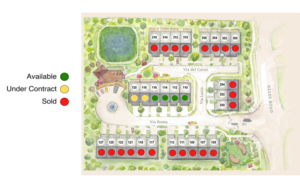
    We’re excited to announce that two homes at Tuscany Village, one of our newest communities in Downtown Roswell, GA has two homes currently under contract. Only 4 opportunities remain! Secure your piece of luxury in Roswell before it’s too late!


    For more info on Tuscany Village, click here: