Tag: new construction

  • Madison Trace: New Townhomes Building Now in Lawrenceville

    Madison Trace: New Townhomes Building Now in Lawrenceville

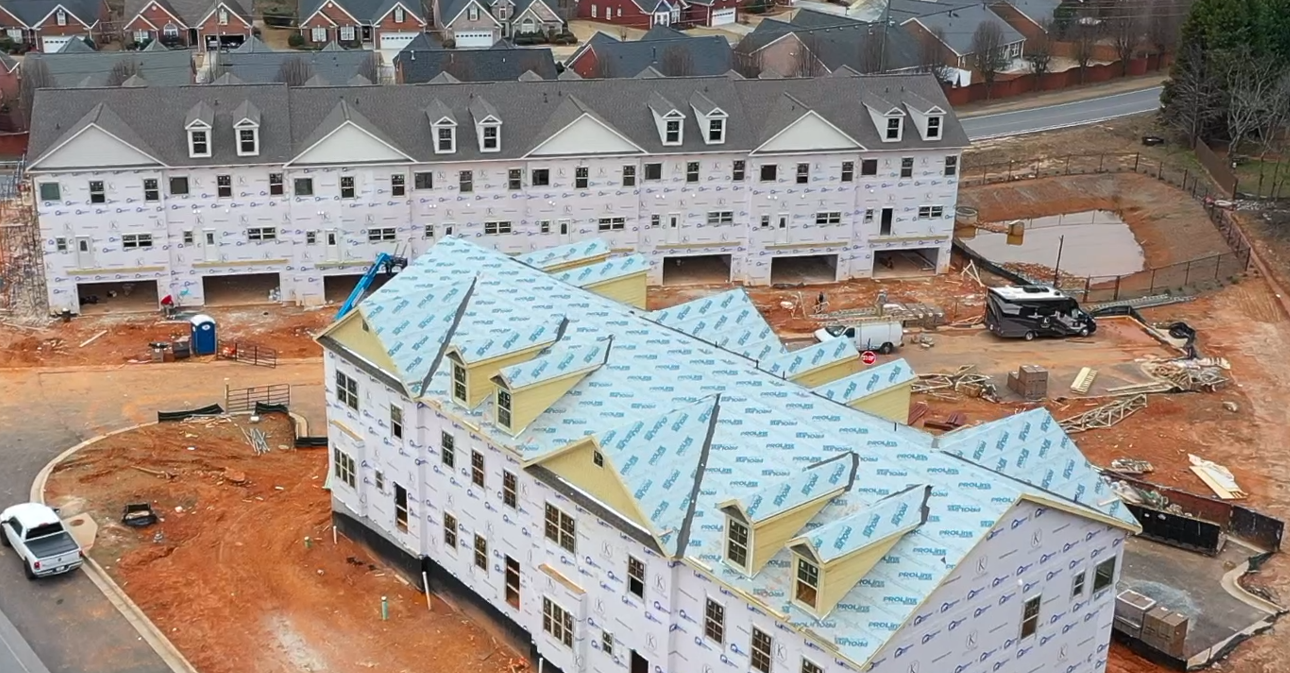
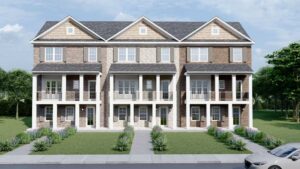
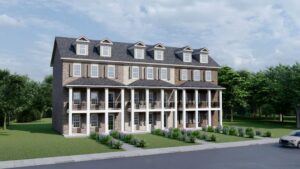
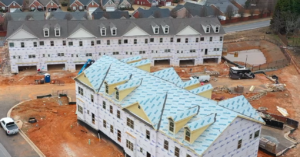
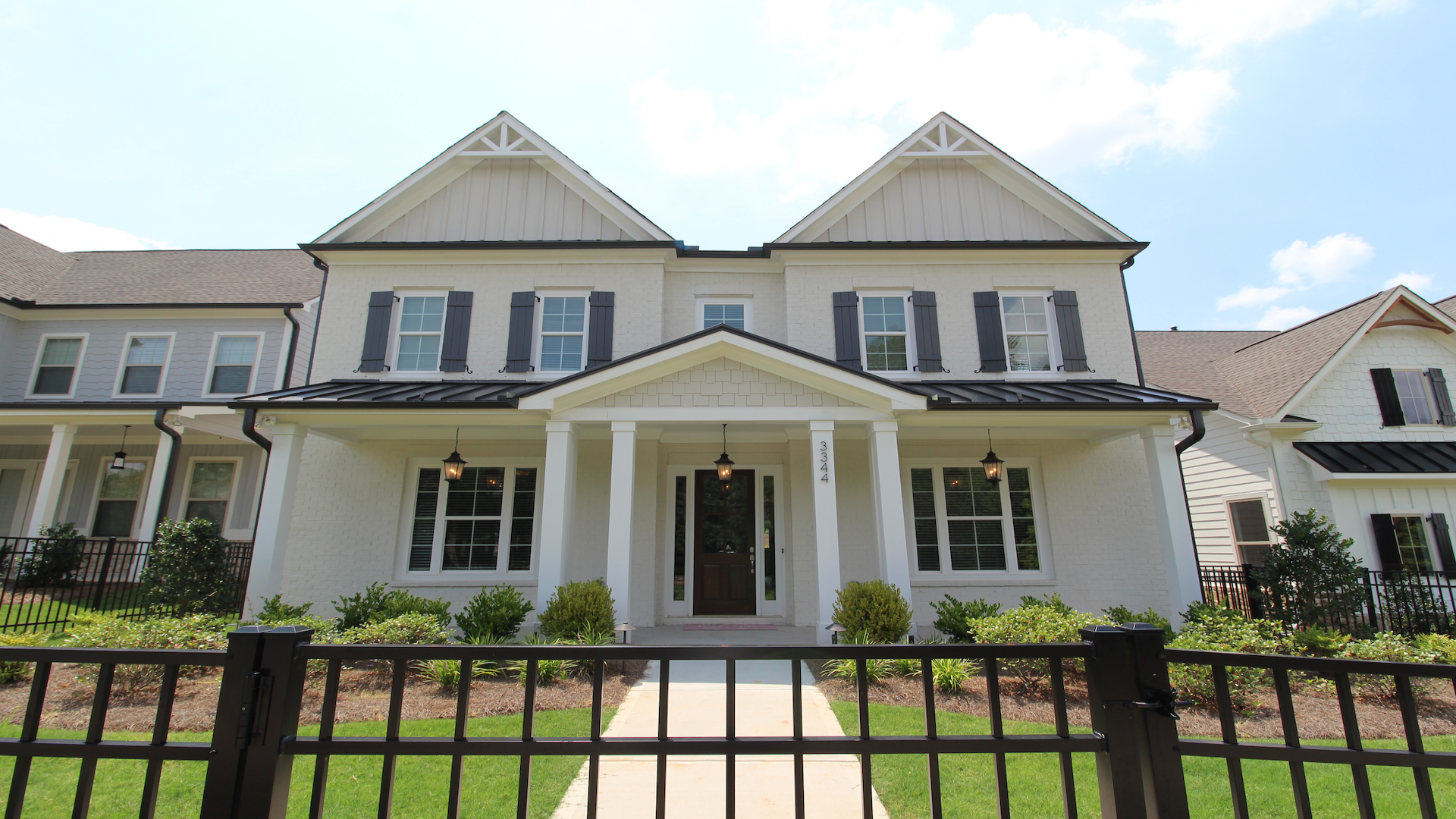
    Want low maintenance living with elegant finishing? Choose one of twelve exceptional new luxury townhomes in Lawrenceville at Madison Trace.  These homes have spacious interiors ready to personalize to your unique lifestyle paired with classic exterior designs in brick and cedar shake.

    Madison Trace | Kittle Homes

    Madison Trace offers two floorplans to choose from. Homesites 1 through 8 (Madison B) feature three stories with 4 bedrooms, 3.5 bathrooms and Homesite 9 through 12 (Madison A) feature a three stories 3 bedrooms, 3.5 bathrooms and include:

    SUPERIOR INTERIOR & EXTERIOR FEATURES
    • 3-sides brick
    • Low maintenance fiber cement siding
    • Luxury owner’s retreats with expansive tile shower and clear framed shower enclosure as well as free-standing tub and granite countertop
    • Optional designer upgrades (lighting, flooring, fixtures, etc.)
    • Flex space and additional space on basement level

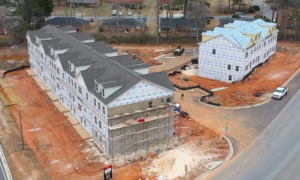
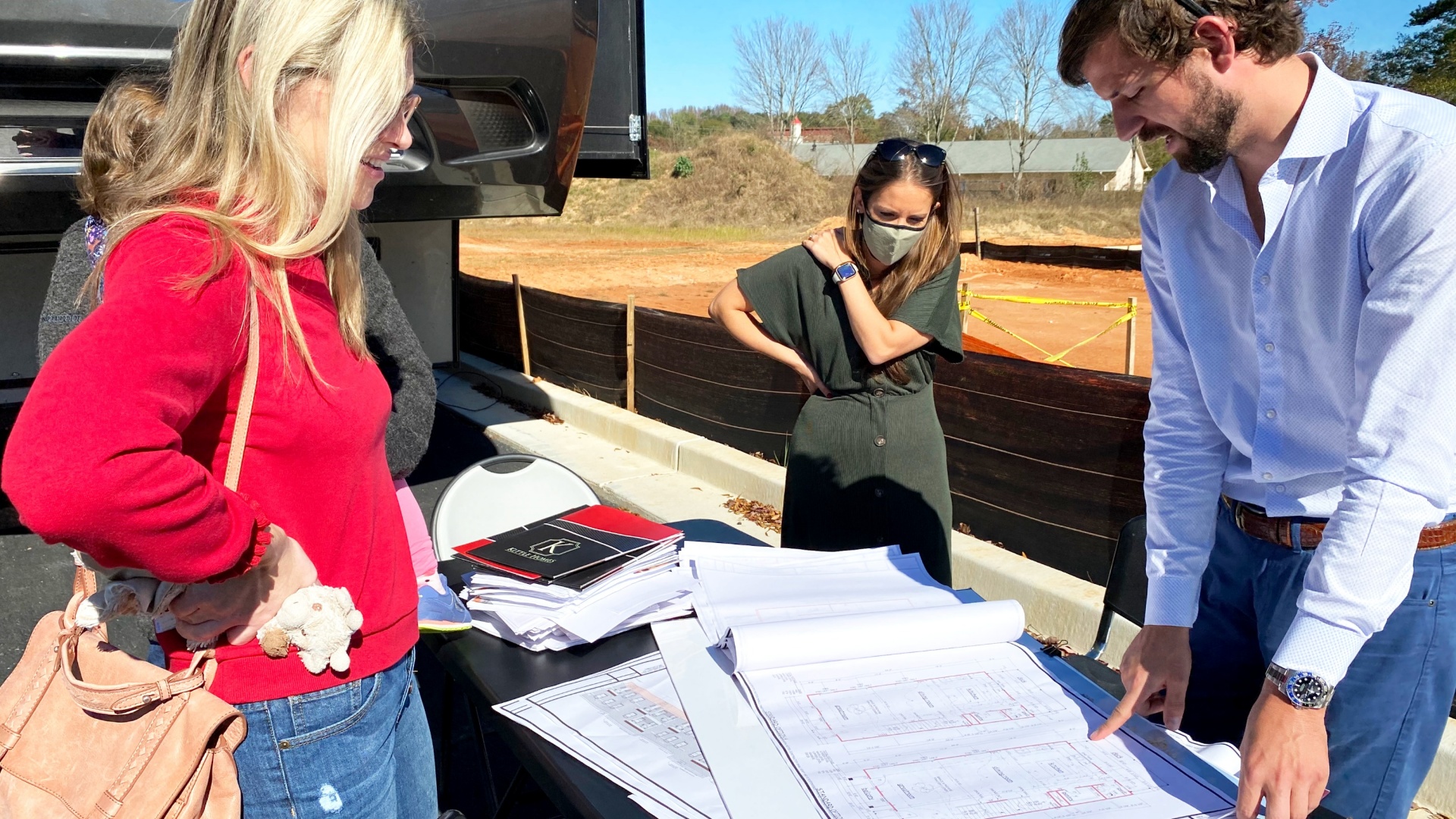
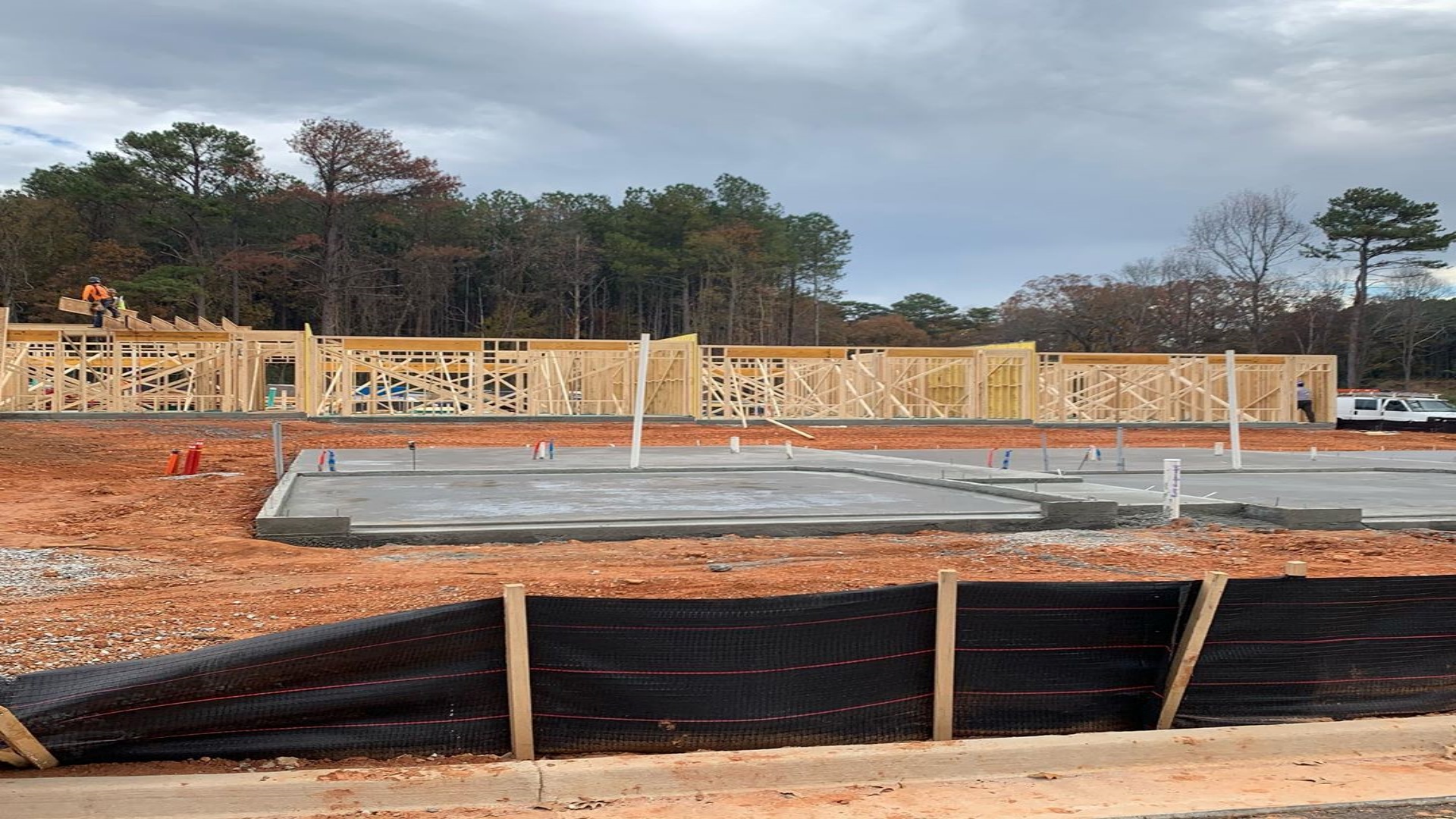
    Madison Trace Progress | Kittle Homes

    This community is conveniently located to the Sugarloaf Business District, downtown shopping, dining, and events along with access to I-85 makes Lawrenceville living easy.

    Construction is steadily moving, so select your dream home today and come home to luxury townhome living in Lawrenceville!

  • New Listings Increase in Georgia Housing Market in May

    New Listings Increase in Georgia Housing Market in May

    The Monthly Housing Indicators for Georgia are in for May. Median Sales Prices were up 22 percent year-over-year, Days on the Market decreased 18 percent, and Months Supply of Inventory rose to 1.4 months.

    • New Listings increased eight percent to 18,889

    • Pending Sales decreased eight percent to 114,183

    • Closed Sales were down five percent to 14,140

    • Inventory levels increased six percent to 19,566 units

    • The Median Sales Price increased 22 percent to $355,000

    • The Average Sales Price increased 17 percent to $422,864

    • Days on Market decreased 18 percent to 22 days

    • Months Supply of Inventory was up eight percent to 1.4 month

    Looking at the Housing Supply Overview – which takes a closer look at key metrics in relation to price range, property type and bedroom count – stark contrasts exist between single-family homes and townhomes/condos, and as well and lower-priced (199K or less) properties. Pending Sales were down for all properties with the exception of homes priced $300,000 and above:

    • $124,999 or less – 8 percent decrease

    • $125,000 – $199,999 – 39 percent decrease

    • $200,000 – $299,999 – 22 percent decrease

    • $300,000 and above – 21 percent increase

    Additionally, Pending Sales for existing townhomes with four bedrooms or more posted the largest gain at 84 percent. Other Housing Supply Overview Indicators include:

    • Days on Market decreased for all price ranges and property types.
    • Median Sales Price increased for all property types regardless of bedroom count.

    • Inventory was up for single family homes priced at $125,000 and above, while condos and townhomes were down across all price ranges and bedroom counts. One-bedroom townhomes/condos saw the largest decrease at 50 percent.

  • U.S. New Home Sales Stronger in May

    U.S. New Home Sales Stronger in May

    The numbers: U.S. new home sales rose 10.7% to a seasonally-adjusted rate of 696,000 in May, from a sharply revised 629,000 in the prior month, the Commerce Department reported Friday. Analysts polled by the Wall Street Journal had forecast new home sales to come in at 587,000 in May from the initial estimate of 591,000. Year-over-year, new home sales are down 5.9%.

    Key details: The median sales price of new homes sold in May fell to $449,000 from a record high $454,700. The supply of new homes for sale fell 7.2% between April and May, equating to a 7.7-month supply.

    Regionally, sales fell drastically in the Northeast by 51.1%, followed by the Midwest, which saw an 18.3% drop in new home sales. The South and the West on the other hand saw increases in sales, at 12.8% and 39.3% respectively.

    Big picture: Despite the higher sales numbers, the housing sector is in the midst of a slowdown, with mortgage rates soaring past 5.8% for a 30-year fixed-rate mortgage, according to Freddie Mac. Inventory remains tight with the number of homes on the market.

    The data are often sharply revised. April new home sales initially stood at 591,000, now revised to 629,000.

    What are they saying? “The data can be volatile month-to-month and subject to revision,” Rubeela Farooqi, chief U.S. economist at High Frequency Economics, said in a note.

    But the “trend has weakened sharply so far in Q2,” Farooqi added. “Overall, home sales are likely to be constrained going forward by higher prices and ongoing increases in mortgage rates, as the Fed continues to normalize monetary policy.”

    “These data are wild – the margin of error in the May print is gigantic,” Pantheon Macroeconomics’ Ian Shepherdson noted, noting the 18.9% confidence interval.

    Even if sales did rise in May, that “does not change the big picture at all,” he added.

    The “housing market is rolling over, and sales will fall sharply over the next few months, lagging the plunge in mortgage applications,” Shepherdson said. “Potential homebuyers’ purchasing power has been drastically reduced by the surge in mortgage rates, so demand has plunged.”

    Market reaction: The Dow Jones Industrial Average and the S&P 500 were both sharply higher in early trading on Friday. The yield on the 10-year Treasury note inched down to 3.08%.

    By Aarthi Swaminathan and Greg Robb

  • New Home Construction Is Up, But Projects Are Stalling At a Higher Rate

    New Home Construction Is Up, But Projects Are Stalling At a Higher Rate

    According to a Dodge Building outlook webinar, total construction starts in the United States’ Northeast region increased by 20% in 2021, outpacing national growth. However, in the first half of 2022, activity has subsided

    North-eastern states will have to endure to deal with a wide range of obstacles that will persist in 2022 – rampant inflation, supply chain difficulties, COVID-19 variants, and the somewhat fragile consumer and investor attitude, said senior economist at Dodge, Sarah Martin. As a result, growth in the Northeast could be slower than expected, especially as the chance of recession rises.

    Construction starts in the non-residential category in the Northeast area, which includes Connecticut, Massachusetts, Maine, New Jersey, New Hampshire, New York, Rhode Island, Vermont, and Pennsylvania, were dominated by education and healthcare. This reflects construction patterns in other parts of the United States, such as the West, where education begins as well.

    Education

    According to Dodge, educational starts in the northeast region would total $14.9 billion in 2022, up 19% from the previous year. The education segment also includes research labs in addition to campus projects. Pharmaceutical laboratories, on the other hand, are classified as manufacturing, which is another fast-growing industry in the region.

    Martin remarked that education is the most important sector in the Northeast. Education starts are likely to increase this year as more students return to classes in both K-12 and colleges and institutions, according to the report.

    The $388 million Rutgers University Cancer Institute as well as the $250 million Lincoln Street lab office plus parking structure in Boston, for example, are some big education projects.

    Healthcare

    Healthcare building is another fast-growing industry in the region. Beginnings in this industry are expected to hit $6.25 billion in 2022, up 50% from 2021. Inpatient hospitals, clinics, and nursing homes fall into this group.

    According to Richard Branch, chief economist at Dodge, increased possibilities in inpatient hospital building are expected. There has been a significant lack of investment in the inpatient end of the industry in the United States, Branch explained. This will undoubtedly enable this market to expand. He anticipates that inpatient care will outgrow outpatient care.

    As people flee high-cost cities in the Northeast, Martin believes that more rural places, such as New Hampshire, Vermont, and Maine, will see an increase in healthcare start-ups. These states have had some of the highest percentages of in-migration since the epidemic began.

    Manufacturing

    Manufacturing starts in the Northeast are expected to reach $2.99 billion in 2022, up 47% year over year, according to Dodge. Still, that’s only a small part of the overall infrastructural development in the West, where Dodge predicts that spending will peak at $14.39 billion in 2022.

    Impact of Inflation

    Those increases are significant if taken at face value. According to Martin, inflation, on the other hand, is improving growth figures. For instance, corrected for inflation, predicted education starts in 2022 will fall from 19% to 7%. When inflation is included, nonbuilding starts in 2022, such as motorways, bridges, power plants, and gas plants, go from an 8% expansion to a 3% contraction.

    According to Dodge, office starts in the Northeast region are expected to drop to $8.35 billion in 2022, a 17% decrease from 2021. Beginnings in the hospitality industry are expected to fall to $1 billion in 2021, down 4% from 2021.

    Leaders and laggards in the Northeast

    New York dominated the Northeast region in overall building starts in 2021, with $41.27 billion, up 18% from 2020. Despite the increase, starts remained below the $50.71 billion pre-pandemic average of 2019. And by April, construction had slowed. Non-residential construction activity in New York, Northern New Jersey, and Long Island fell by 4% in the first 4 months of 2022.

    Pennsylvania came in second in the Northeast area, with $22.2 billion in total building starts in 2021, up 32% from 2020 and higher than the previous year’s totals. However, non-residential infrastructure in Pennsylvania fell by 12% in the first 4 months of 2022. According to Dodge, Connecticut had the only negative construction start increase in the Northeast area in 2021, decreasing 6% from 2020. Non-residential development in the state fell 27% in the first 4 months of 2022, following a regional pattern.

    Expectations for GDP growth in 2022

    Connecticut and Rhode Island’s GDP are expected to expand 3.8% in 2022, below just Massachusetts’ predicted 4.1% in the Northeast area, according to Dodge. As per Dodge, growth in New York and Pennsylvania is expected to be 3.2% and 3%, respectively. This is lower than the national GDP prediction of 3.5%.

    Further to the prospects that one is expecting in construction in the US, there are a certain factors that must be considered with all dimensions and geographies put together.

    The expansion of commercial building is happening in the US in spite of worries about supply chains, the situation in Ukraine, and inflationary pressures.

    Growth in the industry will be fuelled by customers who are looking to create more robust supply chains through projects in the Western United States such as chip manufacturers.

    The amount of enthusiasm in the Midwest US is not quite on par with that found in other locations, but the region is home to some very remarkable performers who are capable of amazing things.

    Although there appears to be a slowdown in the construction arena in Texas and Florida, the warehousing business is showing signs of decent growth.